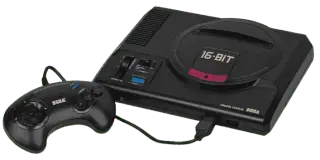
Sega Genesis / Mega Drive
Sega's 16-bit console known for its speed and attitude. Genesis does what Nintendon't - featuring Sonic and countless action classics.
Technical Specs
CPU
Motorola 68000 @ 7.67 MHz (main), Zilog Z80 @ 3.58 MHz (sound/sub)
GPU
Yamaha YM7101 VDP (Video Display Processor), 320x224 or 256x224 resolution, 512 color palette, 64 simultaneous on-screen colors (up to 183 with tricks), 80 sprites, 2 scrolling background planes, shadow/highlight mode
Memory
64 KB main RAM, 64 KB VRAM, 8 KB Z80 sound RAM
Storage
Cartridge-based ROM, up to 40 Mbit (5 MB) standard, some games with bank switching exceeding this
Display
320x224 (NTSC) or 320x240 (PAL) pixels, interlace mode for 320x448, hardware horizontal and vertical scrolling
Audio
Yamaha YM2612 FM synthesis (6 channels, one convertible to DAC for PCM samples) + TI SN76489 PSG (3 square waves + 1 noise), stereo output via headphone jack (Model 1)
Media
64-pin cartridge
History
The Sega Genesis, known as the Mega Drive outside North America, launched on October 29, 1988 in Japan and August 14, 1989 in North America, becoming the first serious challenger to Nintendo's near-monopoly on the home console market. The Genesis defined an era of fierce competition known as the "console wars," and its success transformed Sega from a distant competitor into a genuine rival to Nintendo, capturing roughly 65% of the North American 16-bit console market at its peak.
The Genesis launched in North America with the tagline "Genesis does what Nintendon't," an aggressive marketing campaign that deliberately targeted Nintendo's family-friendly image. Under the leadership of Sega of America CEO Tom Kalinske, the company positioned the Genesis as the cooler, more mature alternative to the Super Nintendo. This strategy resonated powerfully with teenagers and young adults, a demographic that Nintendo had largely ignored. The marketing campaigns, including the iconic "Blast Processing" claim (which referenced the CPU's faster clock speed compared to the SNES), became some of the most memorable in gaming history.
Sonic the Hedgehog, released on June 23, 1991, transformed the Genesis from a moderately successful console into a cultural phenomenon. Created by programmer Yuji Naka, designer Hirokazu Yasuhara, and artist Naoto Ohshima at Sega's AM8 division (later Sonic Team), Sonic was explicitly designed as an anti-Mario: fast, irreverent, and cool. The game's emphasis on speed and its vibrant art direction perfectly complemented Sega's youth-oriented marketing. Bundling Sonic with the Genesis drove hardware sales dramatically, and the character became Sega's mascot and one of the most recognizable figures in gaming.
The Genesis became the definitive platform for sports gaming in the early 1990s. EA Sports' Madden NFL series found its home on the Genesis, with John Madden Football (1990) and its sequels selling millions of copies. NBA Jam (1993), NHL '94, and FIFA International Soccer established templates for sports games that persist to this day. EA's relationship with Sega was particularly close; the company had reverse-engineered the Genesis hardware to develop games independently, leading to a licensing agreement that gave EA favorable terms.
The Genesis library extended far beyond sports and platformers. Streets of Rage 2 refined the beat-em-up genre to near perfection. Gunstar Heroes showcased the system's capabilities through inventive action gameplay. Phantasy Star IV delivered one of the era's finest RPGs. Shining Force and its sequel pioneered tactical RPGs for console audiences. Ecco the Dolphin offered a unique and atmospheric adventure.
The Genesis's later years were marred by Sega's misguided add-on strategy. The Sega CD (Mega-CD), released in 1991 in Japan, added CD-ROM capabilities but was plagued by a library dominated by poorly received full-motion video games. The 32X, released in late 1994, attempted to extend the Genesis's lifespan with 32-bit capabilities but launched just months before the Sega Saturn, confusing consumers and fracturing the development community. The combination of these expensive, poorly supported add-ons damaged consumer trust and contributed to Sega's decline in subsequent console generations. Nevertheless, the Genesis remains one of the most beloved consoles ever made, and its library continues to be celebrated through rereleases and compilations.
Variants & Revisions
Mega Drive / Genesis Model 1 (1601)
Released: October 29, 1988
Original design featuring rounded top, headphone jack with volume control, HD graphics label, and expansion port.
Mega Drive 2 / Genesis Model 2 (1631)
Released: May 1, 1993
Cost-reduced redesign: smaller, lighter, no headphone jack, simplified audio circuit. Removed EXT port.
Genesis 3 (1639)
Released: January 1, 1998
Budget model manufactured by Majesco in North America only. Very compact, no expansion port (incompatible with Sega CD and 32X).
Sega Nomad
Released: October 1, 1995
Portable Genesis with built-in 3.25-inch backlit LCD screen. Played standard Genesis cartridges on the go. Short battery life (~2 hours on 6 AA batteries).
Mega Jet
Released: March 1, 1994
Handheld Genesis without a screen, designed originally for Japan Airlines in-seat entertainment. Required external display.
Development Story
The development of the Sega Genesis was driven by Sega's determination to leapfrog Nintendo in the home console market. After the Sega Master System struggled against the Nintendo Entertainment System despite offering superior hardware, Sega's leadership recognized that being first to market with the next generation was essential. Hayao Nakayama, Sega's president and CEO, championed an aggressive timeline to ensure the Genesis would launch well before Nintendo's 16-bit successor.
The Genesis hardware was designed by a team led by Masami Ishikawa at Sega's Consumer Products R&D division in Japan. The central processor was the Motorola 68000, a 16/32-bit CPU running at 7.67 MHz that was already well-established in arcade hardware, workstations, and the Apple Macintosh. This choice was strategic: the 68000 was familiar to Sega's arcade development teams, facilitating the porting of arcade titles to the home console. A secondary Zilog Z80 processor running at 3.58 MHz handled audio processing and provided backward compatibility with the Sega Master System through a separately sold adapter.
The Genesis's Yamaha YM2612 FM synthesis sound chip, paired with a Texas Instruments SN76489 PSG (carried over from the Master System for backward compatibility), gave the system a distinctive audio character. The YM2612 provided six channels of FM synthesis plus one DAC channel for sampled audio. While the SNES would later offer more versatile sample-based audio, the Genesis's FM synthesis produced punchy, energetic sounds that became iconic in their own right. Composers like Yuzo Koshiro, who created the Streets of Rage soundtracks, pushed the YM2612 to produce electronic music that rivaled contemporary dance tracks.
The custom VDP (Video Display Processor) could display 61 colors simultaneously from a palette of 512, with support for two scrolling background planes and up to 80 sprites on screen. While these specifications were more modest than the SNES's in some respects, the Genesis's faster CPU enabled faster gameplay and more complex game logic, an advantage that Sonic the Hedgehog spectacularly demonstrated.
Sega's North American strategy under Tom Kalinske was revolutionary for the gaming industry. Kalinske, a former Mattel executive who had successfully marketed Barbie and Hot Wheels, brought consumer products marketing expertise to the gaming industry. He implemented several transformative decisions: bundling Sonic the Hedgehog with the console instead of the less compelling original pack-in, lowering the hardware price aggressively, and launching the confrontational advertising campaigns that directly challenged Nintendo. Kalinske also established strong relationships with Western third-party developers, particularly Electronic Arts, whose sports titles became system-selling exclusives.
Nakayama's strategy for the Japanese market differed significantly from the Western approach. In Japan, the Mega Drive competed in a market where RPGs dominated consumer preferences, an area where Nintendo and its third-party partners held an overwhelming advantage. The Mega Drive never achieved the same market dominance in Japan that the Genesis enjoyed in North America and Europe, maintaining a respectable but secondary position behind the Super Famicom.
The development of Sonic the Hedgehog was a deliberate corporate initiative to create a mascot character that could rival Mario. Sega held an internal competition for character designs, with Naoto Ohshima's hedgehog concept winning out over alternatives including a rabbit and a pajama-wearing man resembling Theodore Roosevelt. Yuji Naka's programming expertise was crucial in creating the game's signature speed, developing algorithms for momentum-based physics and rapid scrolling that pushed the Genesis hardware. The team, initially called AM8, was renamed Sonic Team following the game's success, becoming one of Sega's most important development studios.

Mortal Kombat
• 1993
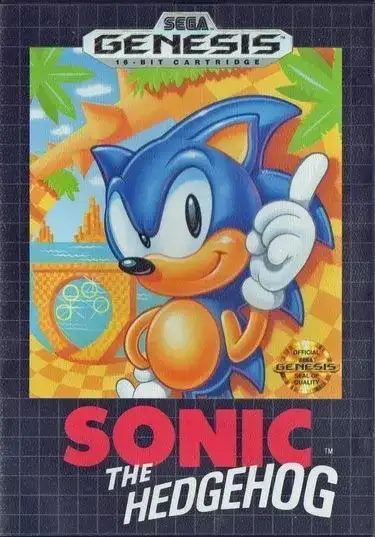
Sonic the Hedgehog
• 1985

Sonic the Hedgehog 3
• 1994
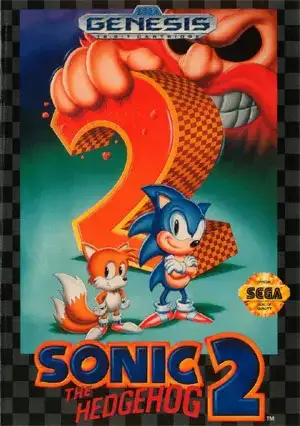
Sonic the Hedgehog 2
• 1992
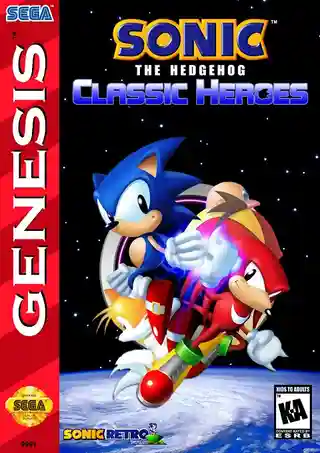
Sonic Classic Heroes
• 2023
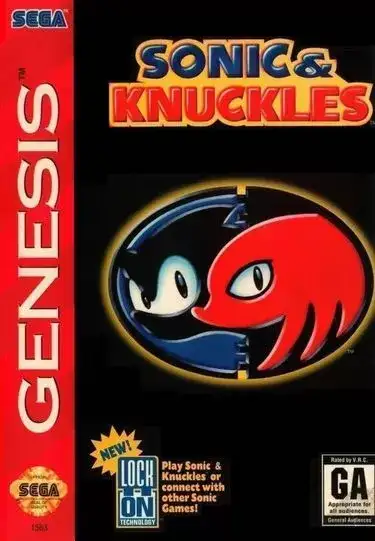
Sonic & Knuckles
• 1985
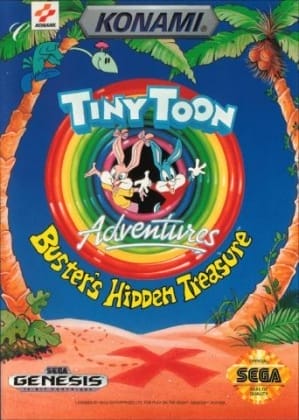
Tiny Toon Adventures: Buster's Hidden Treasure
• 1993
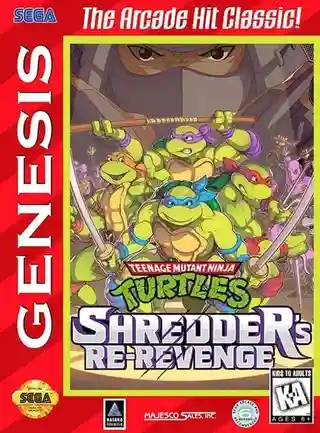
Teenage Mutant Ninja Turtles: Shredder's Re-Revenge
• 2023

Sonic Boom
• 1994
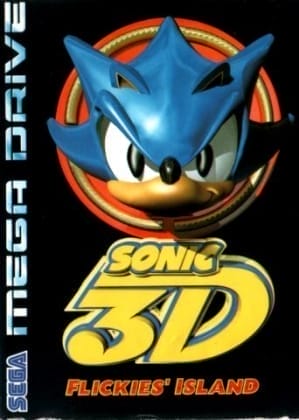
Sonic 3D Blast
• 1996
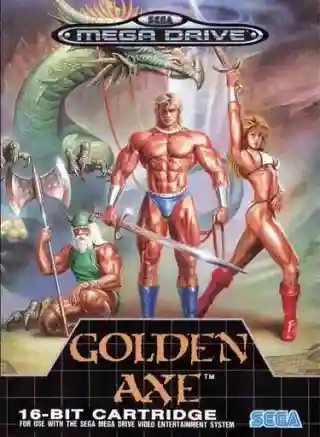
Golden Axe
• 1989
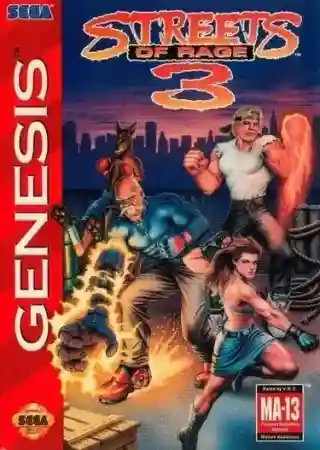
Streets of Rage 3
• 1994
About the Sega Genesis / Mega Drive
The Sega Genesis / Mega Drive (Genesis) is a home video game console manufactured by Sega. Released on October 29, 1988, it belongs to the 4th generation of gaming hardware.
With a library of 126+ ROMs available to download, the Genesis remains one of the most popular platforms for retro gaming enthusiasts. Each ROM is available for free download and compatible with popular emulators like RetroArch, giving you instant access to classic gaming history.
Whether you're looking for Genesis ROMs to play on your PC, phone, or dedicated retro handheld, our library has you covered with verified ROM files and complete game information.