ColecoVision
Technical Specs
CPU
Zilog Z80A @ 3.58 MHz
GPU
Texas Instruments TMS9928A Video Display Processor (VDP), 32 hardware sprites with collision detection
Memory
8 KB RAM (1 KB used by BIOS), 16 KB VRAM
Storage
Cartridge ROM (8 KB to 32 KB)
Display
256x192 pixels, 16 fixed colors, 32 sprites (max 4 per scanline), tile-based background with 8x8 pixel character cells
Audio
Texas Instruments SN76489A Programmable Sound Generator (PSG), 3 square wave tone channels + 1 white noise channel
Media
ColecoVision Cartridge (30-pin), Atari 2600 cartridge (via Expansion Module #1)
History
The ColecoVision, released in August 1982 by the Connecticut Leather Company (Coleco), was a second-generation home console that promised to bring the arcade experience into the living room. At a time when the Atari 2600 dominated the market with its blocky, simplified graphics, the ColecoVision arrived with a dramatic leap in visual fidelity, offering near-arcade-quality ports that stunned gamers and critics alike.
The console's launch was anchored by an exclusive pack-in of Nintendo's Donkey Kong, which was the hottest arcade game of 1981-82. This licensing coup gave ColecoVision an immediate killer app that no competitor could match. The port was remarkably faithful to the arcade original, demonstrating the hardware's superior capabilities and convincing consumers that arcade-quality gaming at home was finally possible.
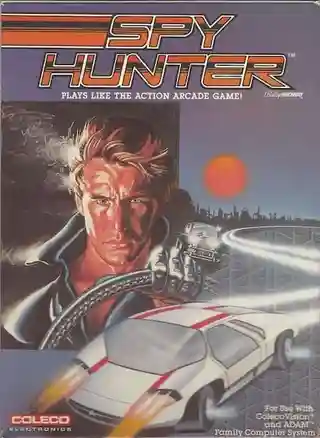
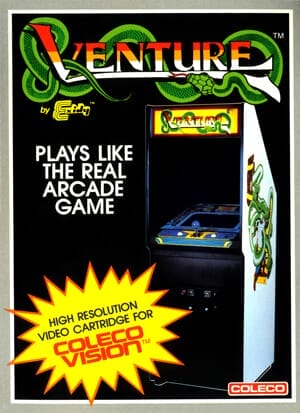
ColecoVision competed directly against the Atari 2600, Atari 5200, and Mattel Intellivision. Its technical superiority was evident ??the TMS9928A video display processor delivered 256x192 resolution with 16 colors and 32 hardware sprites, far surpassing the 2600's capabilities. Arcade ports of Zaxxon, Turbo, Spy Hunter, Mr. Do!, and Venture were among the console's highlights, each demonstrating a level of accuracy previously impossible on home hardware.
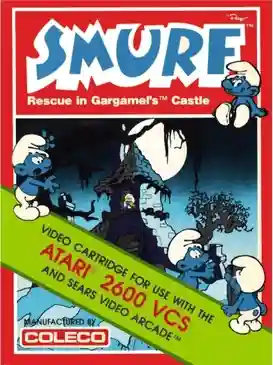
Coleco also released the Expansion Module #1, which allowed ColecoVision to play Atari 2600 cartridges. This clever accessory broadened the console's library overnight but triggered a lawsuit from Atari. Additional peripherals included a steering wheel controller and a roller controller for trackball games.
The ColecoVision sold approximately 2 million units and had a library of around 126 cartridges. However, the North American video game crash of 1983-84 devastated the market. Coleco's attempt to pivot into computers with the ill-fated Adam home computer expansion ??which was plagued by quality control issues and erased data on nearby ColecoVision cartridges due to electromagnetic interference ??proved catastrophic. By 1985, Coleco had exited the electronics business entirely. Despite its short lifespan, the ColecoVision is remembered as a pivotal console that demonstrated home hardware could faithfully reproduce arcade experiences.
Variants & Revisions
ColecoVision (Original)
Released: August 1, 1982
The original console with front-loading cartridge slot, two wired controllers with joystick and numeric keypad, bundled with Donkey Kong.
ColecoVision with Expansion Module #1
Released: January 1, 1983
The base console paired with the Atari 2600 compatibility module, allowing play of Atari 2600 cartridges through the ColecoVision hardware.
Coleco Adam
Released: October 1, 1983
A home computer expansion that added a keyboard, high-speed digital data tape drive, printer, and 80 KB RAM to the ColecoVision. Plagued by reliability issues.
Dina / Telegames Personal Arcade
Released: January 1, 1986
An unofficial compatible clone produced by Bit Corporation in Taiwan and distributed by Telegames. Could play both ColecoVision and SG-1000 cartridges.
Development Story
The ColecoVision's development began in 1981 when Coleco Industries, historically a manufacturer of leather goods and later plastic swimming pools, decided to enter the booming video game market. Coleco's CEO Arnold Greenberg saw an opportunity to differentiate from Atari by focusing on arcade-accurate ports rather than original games. He hired engineer Eric Bromley to lead the hardware design team.
Bromley's team made the critical decision to use the Zilog Z80A processor and Texas Instruments TMS9928A Video Display Processor ??the same VDP used in the TI-99/4A computer and the MSX standard. This chip combination was well understood by engineers and offered strong sprite-handling capabilities. The Z80A at 3.58 MHz gave the console enough processing power to handle complex arcade game logic, while the TMS9928A provided hardware sprite support for up to 32 simultaneous sprites with collision detection.
The licensing of Donkey Kong from Nintendo was a masterstroke negotiated by Greenberg himself. He flew to Japan and personally convinced Nintendo president Hiroshi Yamauchi to grant Coleco exclusive home console rights to Donkey Kong. The deal reportedly cost Coleco several million dollars in licensing fees, but Greenberg correctly predicted that Donkey Kong would be the console's strongest selling point. Nintendo's decision reflected their cautious approach to the American market prior to the NES launch.
The controller design was controversial from the start. Coleco opted for a joystick with a numeric keypad, influenced by the Intellivision's controller design. While the keypad allowed for game-specific overlays that could label buttons for different functions, the joystick itself was stiff and prone to fatigue during extended play sessions. Many developers later released games that supported the Super Action Controller, an improved gamepad with a more ergonomic grip.
The Adam computer expansion, announced in June 1983, was envisioned as Coleco's entry into the home computer market. The Adam would turn the ColecoVision into a full computer with a keyboard, high-speed tape drive, and 80 KB of RAM. However, development was rushed, production quality was poor, and a devastating design flaw caused the Adam's power supply to generate electromagnetic pulses during startup that could erase data on nearby magnetic media ??including the game cartridges inserted in the ColecoVision slot. This defect, combined with overall unreliability, generated massive returns and effectively doomed both the Adam and Coleco's electronics division.
About the ColecoVision
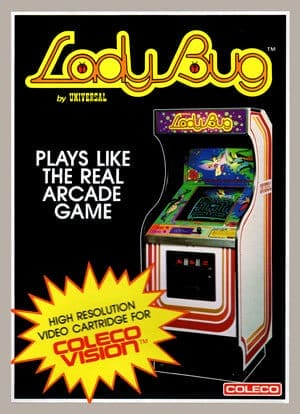
The ColecoVision (COLECO) is a home video game console manufactured by Coleco. Released on August 1, 1982, it belongs to the 0th generation of gaming hardware.
With a library of 4+ ROMs available to download, the COLECO remains one of the most popular platforms for retro gaming enthusiasts. Each ROM is available for free download and compatible with popular emulators like RetroArch, giving you instant access to classic gaming history.
Whether you're looking for COLECO ROMs to play on your PC, phone, or dedicated retro handheld, our library has you covered with verified ROM files and complete game information.