
Koei
Notable Games
Company History
Koei Co., Ltd. was founded on July 25, 1978, in Tochigi Prefecture, Japan, by husband and wife Yoichi and Keiko Erikawa. Originally established as a dye trading company, Koei transitioned into software development in the early 1980s and became synonymous with historical strategy gaming in Japan and worldwide.
The company's first major gaming success came with Nobunaga's Ambition (1983), a strategic simulation set during Japan's Sengoku period. This game established Koei's core formula: detailed historical settings, turn-based strategic gameplay, and complex systems modeling political, military, and economic factors.
Romance of the Three Kingdoms (1985) expanded the formula to Chinese history, recreating the tumultuous Three Kingdoms era. The series demonstrated Koei's commitment to historical authenticity while making complex strategy accessible.
Dynasty Warriors (1997) began as a fighting game before transforming into the "musou" genre with Dynasty Warriors 2 (2000). This format — one powerful warrior devastating thousands of enemies — proved enormously popular and adaptable, spawning Samurai Warriors, Warriors Orochi, and licensed collaborations including Hyrule Warriors and One Piece Pirate Warriors.
The 2009 merger with Tecmo created Koei Tecmo Holdings, combining Koei's strategy expertise with Tecmo's action game development (Team Ninja studio). Together, they continue developing titles across strategic simulation, action, and role-playing genres.
Behind the Scenes
Yoichi Erikawa's vision shaped Koei's distinctive character. His passion for history, particularly Chinese literature and Japanese feudal history, infused the company's games with educational depth uncommon in gaming.
The early strategy games demonstrated ambitious simulation design. Romance of the Three Kingdoms modeled diplomacy, espionage, military tactics, and economic development. Characters possessed individual statistics affecting their performance. Weather, terrain, and seasons influenced outcomes. This depth attracted players seeking intellectual challenge beyond action reflexes.
Development cycles for historical titles involved extensive research. Koei employed historians and consulted primary sources to ensure authenticity. Character portrayals balanced historical records with gameplay needs. This commitment earned respect from history enthusiasts while maintaining entertainment value.
The musou evolution showed unexpected creativity. Taking Dynasty Warriors from one-on-one fighting to mass combat transformed the franchise's identity. The power fantasy — being unstoppable among thousands — appealed to players seeking different experiences than strategy simulations offered. Both formats coexisted under Koei's development.
Licensing partnerships demonstrated the musou formula's flexibility. Hyrule Warriors adapted Zelda characters to the format. Fire Emblem Warriors did similarly. Each collaboration required balancing Koei's combat systems with license-holder expectations regarding character portrayal.
The Tecmo merger brought complementary capabilities. Koei's large-scale strategic thinking combined with Team Ninja's combat polish. Nioh exemplified this synthesis — Sengoku-era Japan setting from Koei's historical expertise meeting action combat from Team Ninja's capabilities.

Romance of the Three Kingdoms II: Conqueror of the Continent
• 1991
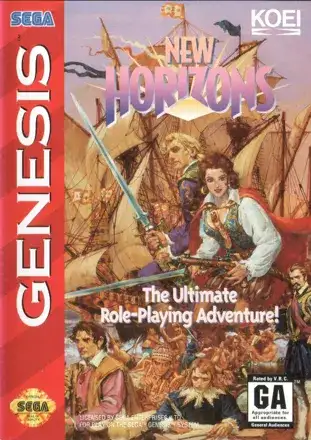
Uncharted Waters 2: New Horizons
• 1994

Aerobiz Supersonic
• 1994
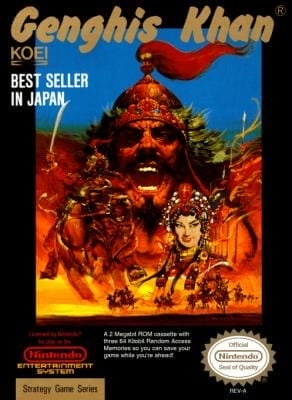
Genghis Khan
• 1989
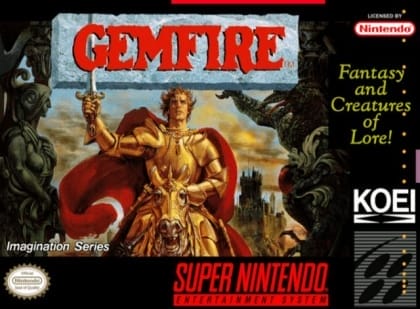
Gemfire
• 1992
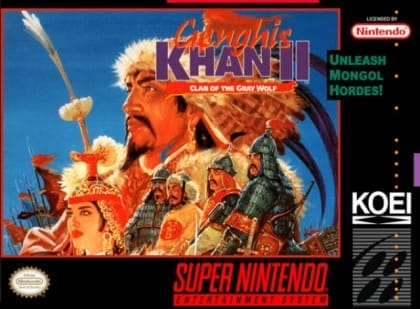
Genghis Khan II: Clan of the Gray Wolf
• 1992
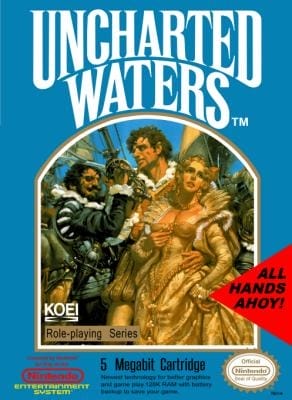
Uncharted Waters
• 1991

Uncharted Waters: New Horizons
• 1994
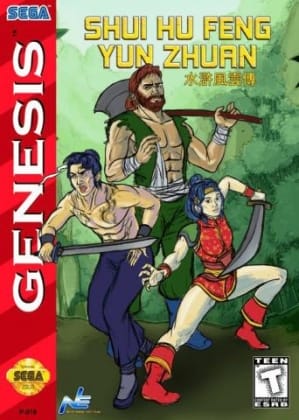
Water Margin: The Tales of Clouds and Wind
• 1995

Uncharted Waters
• 1991
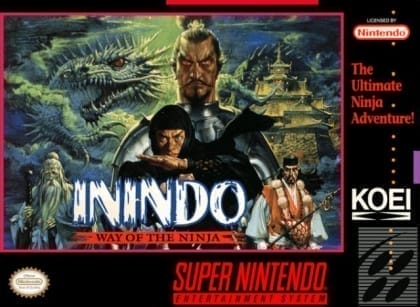
Inindo: Way of the Ninja
• 1991
About Koei
Koei is a merged game development company founded on July 25, 1978 and headquartered in .
Known for creating iconic titles such as Dynasty Warriors, Romance of the Three Kingdoms, Nobunaga's Ambition and more, Koei has left an indelible mark on the video game industry.